
Investing Isn’t the Same as Gambling
Something happened during the Covid crisis that changed the way many people think about investing. Online forums on Reddit took certain investments “to the moon.” Obscure cryptocurrencies and so-called meme stocks were rewarding buyers with exorbitant gains. I remember perusing these forums and seeing the posts about people paying off their $10,000+ student loan debt with a small “bet” on Gamestop, AMC theaters, or Dogecoin. It felt like a casino.
The idea that the stock market is a casino is something I’ve heard from many people over the years, and the meme-stock craze in 2020 and 2021 only perpetuated this idea. But I’d like to dissuade anyone from believing that the stock market is anything like a casino. While you could choose to gamble on individual stocks or cryptocurrencies, the most critical difference between the stock market and a casino is the expected return.
A casino has a built in edge. If you are a smart blackjack player, your expected loss is only about half a percent of your money per hand, and you still have a roughly 50-50 chance of doubling your money on any given hand. But the longer you play, the more likely you are to gradually erode your stack of chips. Your negative “expected return” is the house’s edge—it’s the way that casinos make money.
The opposite has been true when it comes to smart investing historically. The longer you invest, the more likely you are to make money. To illustrate this, let’s assume an investment in the US stock market as represented by the S&P 500 Index, not including investment-related fees or taxes. (The story doesn’t hold true if you buy an individual stock, but that is a topic for another day.)
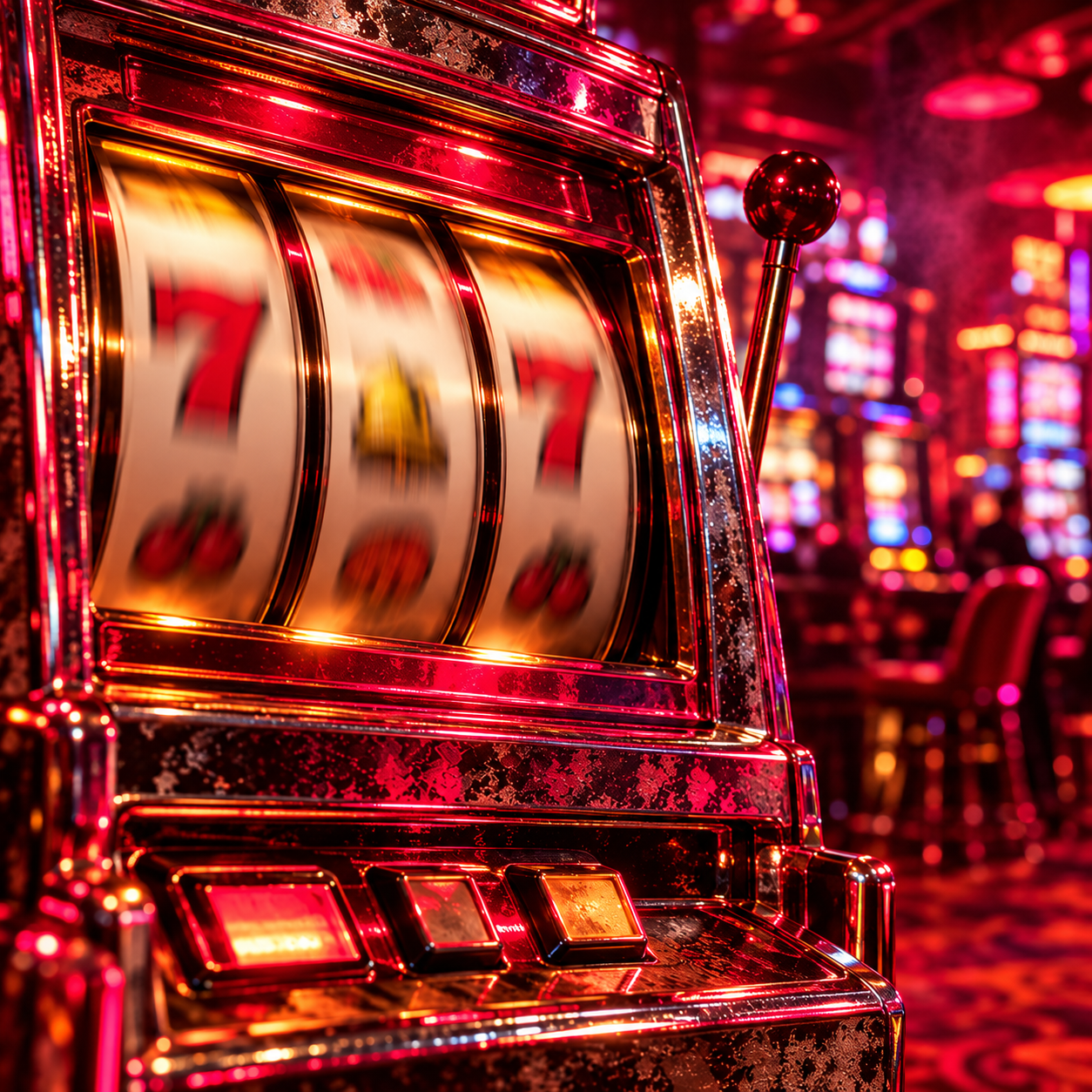
Image created with ChatGPT
We have about 100 years of market data for the S&P 500. Over the course of those years, if you were to invest in the stock market for one month at any moment during that period, you would make a positive return about 62 percent of the time. Not bad, but still a 38 percent likelihood that you might lose money, and that loss could be extreme.
Unlike a casino, however, as you extend the historical holding period, your odds of success improve. For example, historically, over any one-year period, the likelihood of losing money falls to 26 percent. In other words, you had about a three-in-four chance of making money if you held the stock market over any one-year period.
Extend the holding period to three years and your odds of a positive outcome improve to 85 percent. At a 10-year holding period, the likelihood of a positive outcome is more than 95 percent. And if you extend that holding period to 20 years, there has never been an instance of a negative outcome in the historical data. That includes the Great Depression, World War II, stagflation in the 1970s, and the Financial Crisis in 2008.
This is the exact opposite of a casino. When it comes to investing in the stock market, you are the house. The longer you “play the game,” the more likely you are to have a positive return.
Investing in the stock market involves risk, but it is not like gambling. You have periods where the market has been cut in half, as recently as the financial crisis in 2008. And you have more recent examples of turbulence, such as when the market dropped by 10 percent in the initial stages of the Iran war this year, by 20 percent during the tariff meltdown last year, by 20 percent during a more prolonged bear market in 2022, and by more than 30 percent during the early months of Covid.
But when we look back at roughly 100 years of market data, we see that the stock market, as represented by an index such as the S&P 500 or the Dow Jones Industrial Average, has returned an average of about 10 percent per year. But to capture those long-term “average” returns, you have to live through a lot of difficult stretches.
So no, investing isn't gambling — even though it can feel like it in the moment. A gambler who stays at the table long enough is almost guaranteed to lose. A well-diversified investor who stays in the market long enough has, historically, never lost. The daily and monthly volatility is the price of admission, but time is the one edge you have that no casino will ever give you.
This article first appeared in The Berkshire Eagle.