
On Cars and Finance
According to a recent forecast from J.D. Power, nearly one in three car buyers are underwater on their trade-ins. In plain English, that means they owe more on the loan than the car is worth at the time they want to sell or trade it in. That is negative equity, and it has become a much more common problem than it used to be.
The reason is not mysterious. Cars are more expensive than they were just a few years ago, with the average new-car price reaching about $50,000 last year. At the same time, borrowers have increasingly turned to longer loan terms to make monthly payments more manageable. The average car loan now runs 69 months, and more than one in five buyers are choosing loans that stretch to 84 months. Add in the fact that cars depreciate quickly, and it becomes easy to see how a buyer can end up owing more than the vehicle is worth after only a few years.
From a financial planning perspective, this does not automatically mean that buying a new car is a bad decision. Cars are not just machines that carry us from one place to another. For many people, they are tied to comfort, convenience, safety, identity, and even joy. A car can be a meaningful purchase, and there is nothing wrong with wanting a vehicle that you truly like.
What matters is making sure the decision fits comfortably within your overall financial picture.
One of the most important questions to ask before financing a car is whether you can comfortably afford the monthly payment. A payment that looks manageable on paper may feel very different once insurance, maintenance, gas, and other regular expenses are included. If a car payment stretches your budget too tightly, the loan may become a source of stress rather than convenience.
It is also worth thinking about how long you plan to keep the car. Ideally, if you finance a vehicle, you should expect to own it at least for the life of the loan. If you are likely to trade it in after only a few years, you may still be paying on a car that has already lost much of its value. That is where buyers can get stuck in a cycle of negative equity, rolling old debt into a new loan and making it harder to get ahead financially.
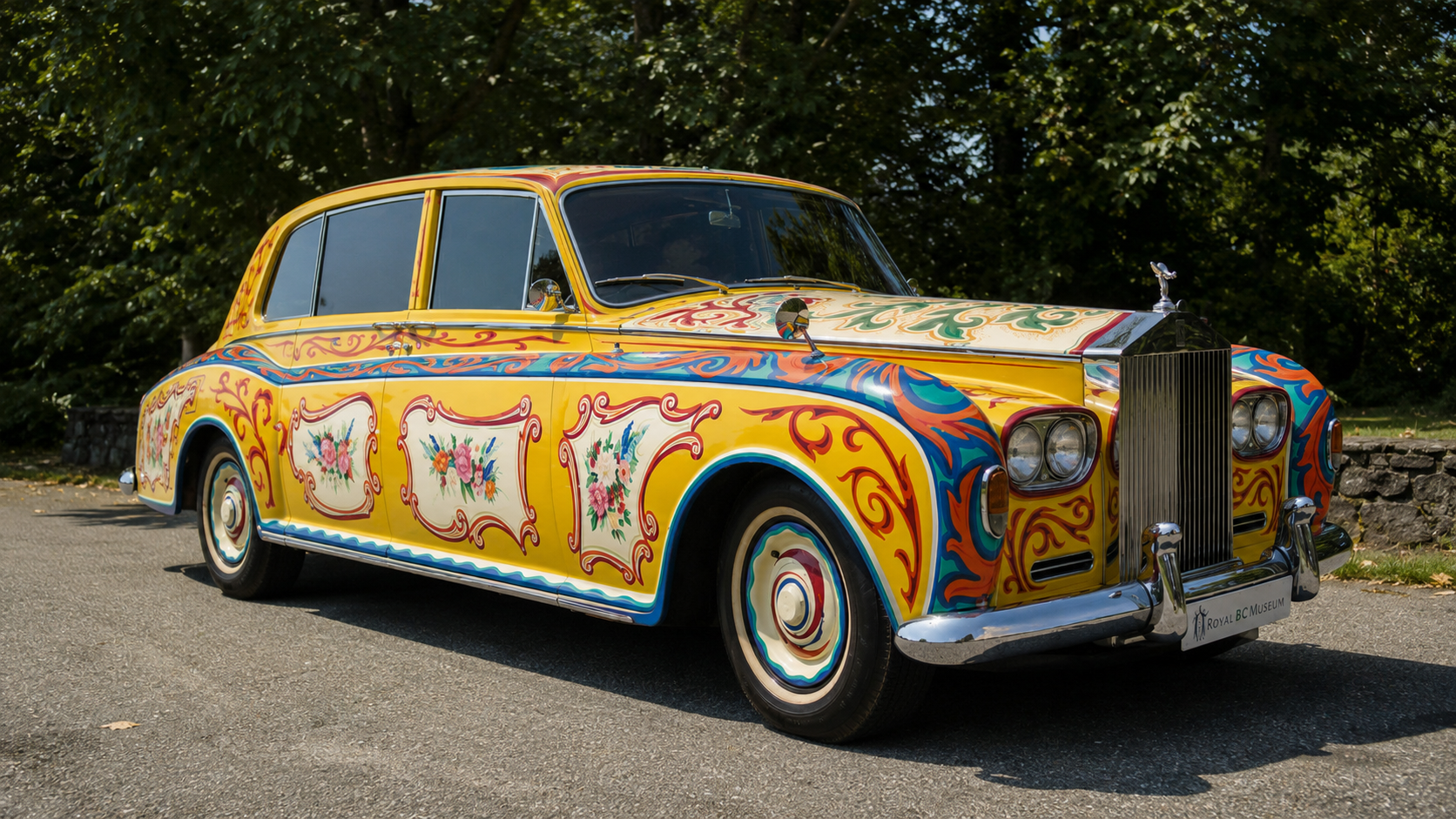
Baby, you can buy this car—just be sure what you’re doing.
Image created with ChatGPT.
For that reason, a used car is often worth a serious look. A vehicle that has already gone through its steepest initial depreciation can offer better value than a new one, especially for buyers who are focused on practicality rather than the newest model year. In many cases, a well-maintained used car can meet a household’s needs just as well as a new one, while avoiding the biggest first-year drop in value.
In my years as a financial planner, I have noticed that people who make strong long-term financial decisions tend to approach purchases like this with intention. They are not necessarily trying to buy the cheapest car possible, and they are certainly not choosing a vehicle based only on status. Instead, they think carefully about value, durability, and fit. They buy cars that make sense for their lives and their budgets.
That is really the heart of the matter. The goal is not to feel guilty about driving something nice, nor is it to suggest that everyone should settle for less than they want. The goal is to recognize that a car is both a practical tool and a depreciating asset. If you finance one, it helps to do so in a way that leaves room for comfort, flexibility, and long-term peace of mind.
Before signing a long-term car loan, it is worth pausing to ask a few simple questions: Can I truly afford the monthly payment? Am I likely to keep this car long enough for the loan make sense? Would a used vehicle provide better value for my situation? Those questions may not make the car-buying process less exciting, but they can make the decision far wiser.
And in personal finance, wiser is usually better than flashier.